Project Scope: Fully Automated Environment-Controlled Housing
The Challenge
A leading poultry producer in Jordan needed to modernize their operation to combat the extreme temperature fluctuations of the Jordanian desert. During the day, temperatures would soar, causing heat stress, while night temperatures could drop significantly, leading to high heating costs and respiratory issues in the flock. The goal was to achieve maximum uniformity and a low FCR by stabilizing the internal environment.
Our Solution: The “All-Season” Integrated System
Drawing on our strong presence in Jordan and our specialized local team, we implemented a comprehensive solution designed for the local terrain:
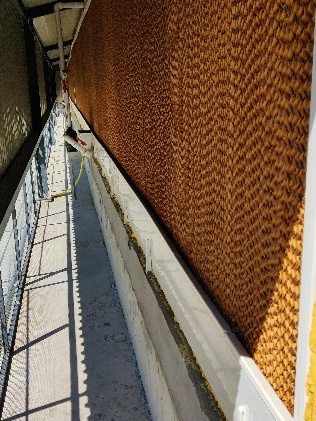
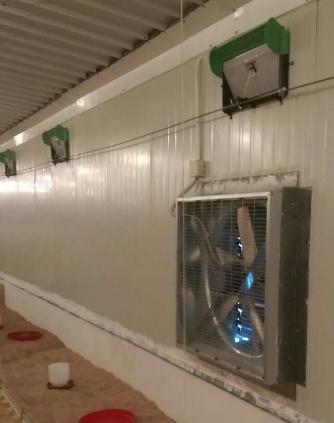
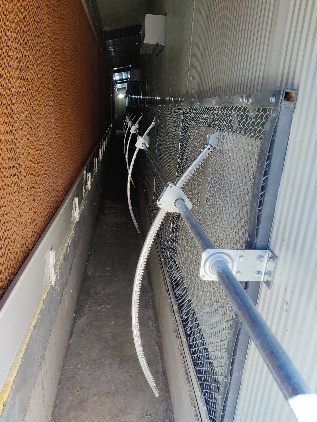
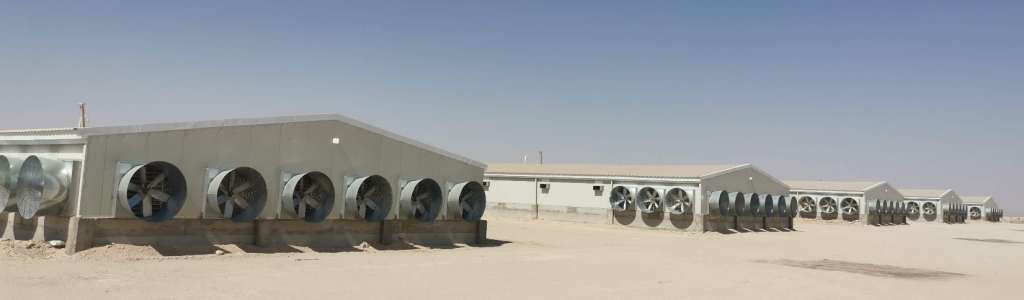
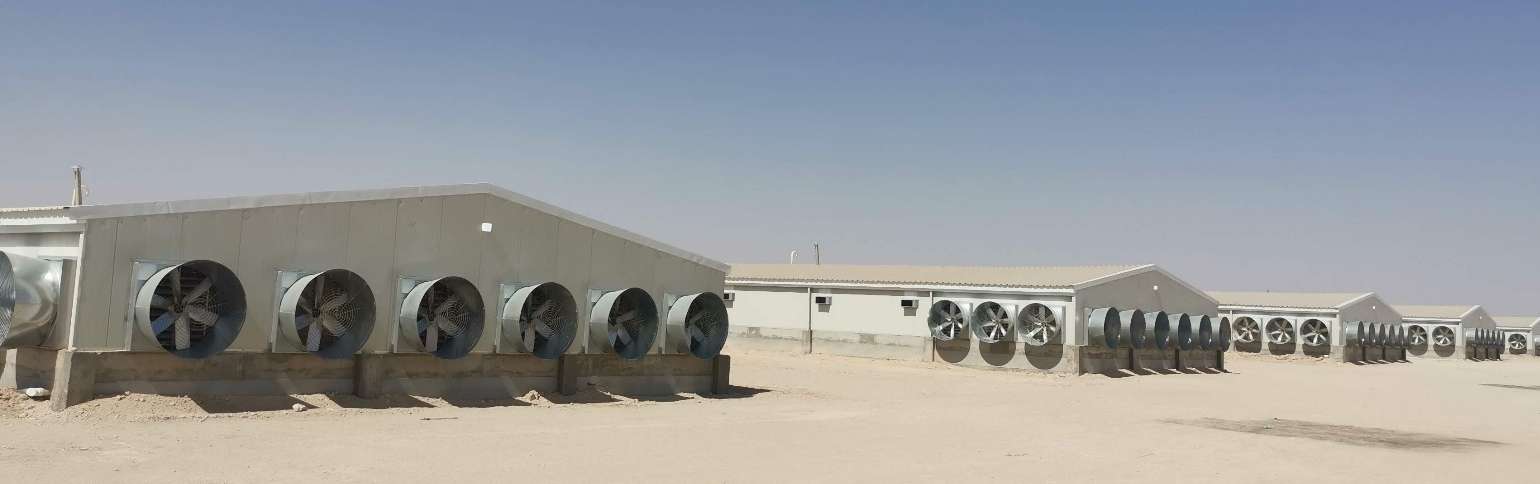
- Tunnel Ventilation with Cellulose Cooling Pads: To manage the summer heat, we installed high-velocity exhaust fans and thick evaporative cooling pads. Because Jordan’s air is naturally dry, our system achieved a temperature drop of up to 15°C, keeping the birds in their optimal growth zone even when it reached 40°C outside.
- Dual-Stage Heating for Winter: We installed indirect-fired gas heaters that provide clean, dry heat during cold winter nights. This ensured that the birds remained warm without increasing the humidity or CO2 levels inside the house.
- Automated Feeding & Drinking Lines: To ensure every bird reached market weight simultaneously, we installed high-speed auger feeding pans and nipple drinking systems with integrated pressure regulators.
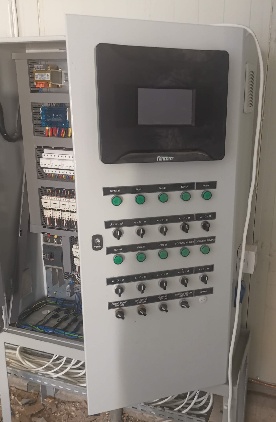
- Centralized Climate Computer: All systems were linked to a central controller that manages the transition between heating and cooling automatically, ensuring a smooth temperature curve throughout the birds’ growth cycle.
The Result
- Exceptional FCR: The farm achieved a Feed Conversion Ratio (FCR) of 1.45, significantly better than the regional average.
- Energy Savings: The automated climate control reduced fuel consumption for heating by 15% through better insulation and precision sensor placement.
- Uniformity: The flock reached market weight with a 95% uniformity rate.